Your Baby Is Born a Global Listener
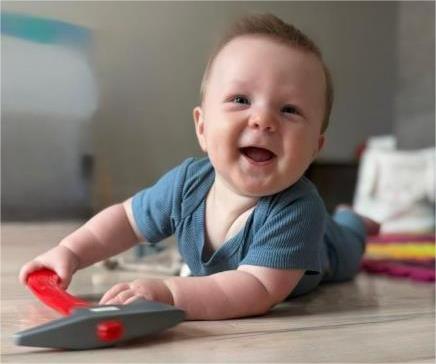
How infants naturally hear the sounds of every language
Your Baby Is Born a Global Listener | Early Language Development in Infants
Babies are born able to hear the sounds of every language in the world. Learn how this “global listener” stage works and why early listening exposure matters in the first year.
If you’ve already learned about the critical listening period — and why listening comes before speaking — here’s something even more remarkable:
Babies enter the world able to hear the sounds of every language.
Before culture, before geography, before vocabulary, infants begin life as what scientists often call “global listeners” — tuned to recognize speech patterns from across the world.
It’s one of the most extraordinary features of the developing brain.
What Does It Mean to Be a “Global Listener”?
In the first months of life, babies can distinguish between speech sounds — called phonemes — from virtually all languages, even ones they never hear at home.
This means that early on, a baby’s brain is wide open to:
- New rhythms and cadences
- Subtle sound differences
- Musical tones in speech
- Unfamiliar consonants and vowels
Their brains are gathering data constantly, organizing what they hear and preparing for communication long before their first word ever arrives.
Why This Ability Exists
Human brains evolved to be flexible.
At birth, babies don’t yet know which languages they will grow up hearing, so their brains remain open to all of them. This openness allows infants to adapt quickly to the sound environment around them.
Over time — usually within the first year — babies begin focusing more intensely on the sounds they hear most often.
This process doesn’t close doors forever.
But it does mean that early listening experiences matter.
How the Brain Changes in the First Year
The Brain Is Sorting Sound Patterns
As babies listen, their brains start noticing:
- Which sounds appear again and again
- Which rhythms signal meaning
- Which tones feel familiar
- Which sound combinations matter
Neural pathways strengthen around these patterns. The sounds a baby hears most often become easier to recognize, remember, and eventually reproduce.
Listening is how the brain decides what to keep.
Exposure — Not Instruction — Drives Learning
At this stage, babies are not studying language. They are absorbing it.
They don’t need to be taught grammar rules or vocabulary lists. They simply need access to rich, calm, repeated sound experiences.
This is why gentle exposure to music, spoken language, and diverse speech patterns can be so powerful during the first year.
Does This Mean My Baby Should Hear More Than One Language?
You don’t need to be bilingual to support your baby’s listening brain.
Babies benefit from hearing:
- Multiple voices
- Different rhythms
- Varied intonation
- Languages spoken naturally
Even short, consistent listening moments help expand what their ears — and brains — are learning to recognize.
Early multilingual exposure isn’t about creating a prodigy. It’s about keeping the listening window open.
The Takeaway: Curiosity Comes First
Babies are born prepared to listen to the whole world.
The sounds they hear in their earliest months shape how easily they later recognize patterns in speech, music, and communication.
That’s why the first year is such a remarkable opportunity, not for pressure or performance, but for curiosity, calming moments, and connection.
Listening is how it all begins.